
A conversion of the Kenton ave. line was recommended as one of 22 development opportunities with a top score. The report highlighted the connection between the Bloomingdale Trail (the heart of the 606) and the Weber Spur and on to North Branch Trail, and a thematic connection to the Northwest Portage Walking Museum. Read the full report here
The Crosstown Trail:
Connecting Communities
A rails-to-trails conversion on Chicago’s Northwest side
The Future of the Northwest Side Starts Here
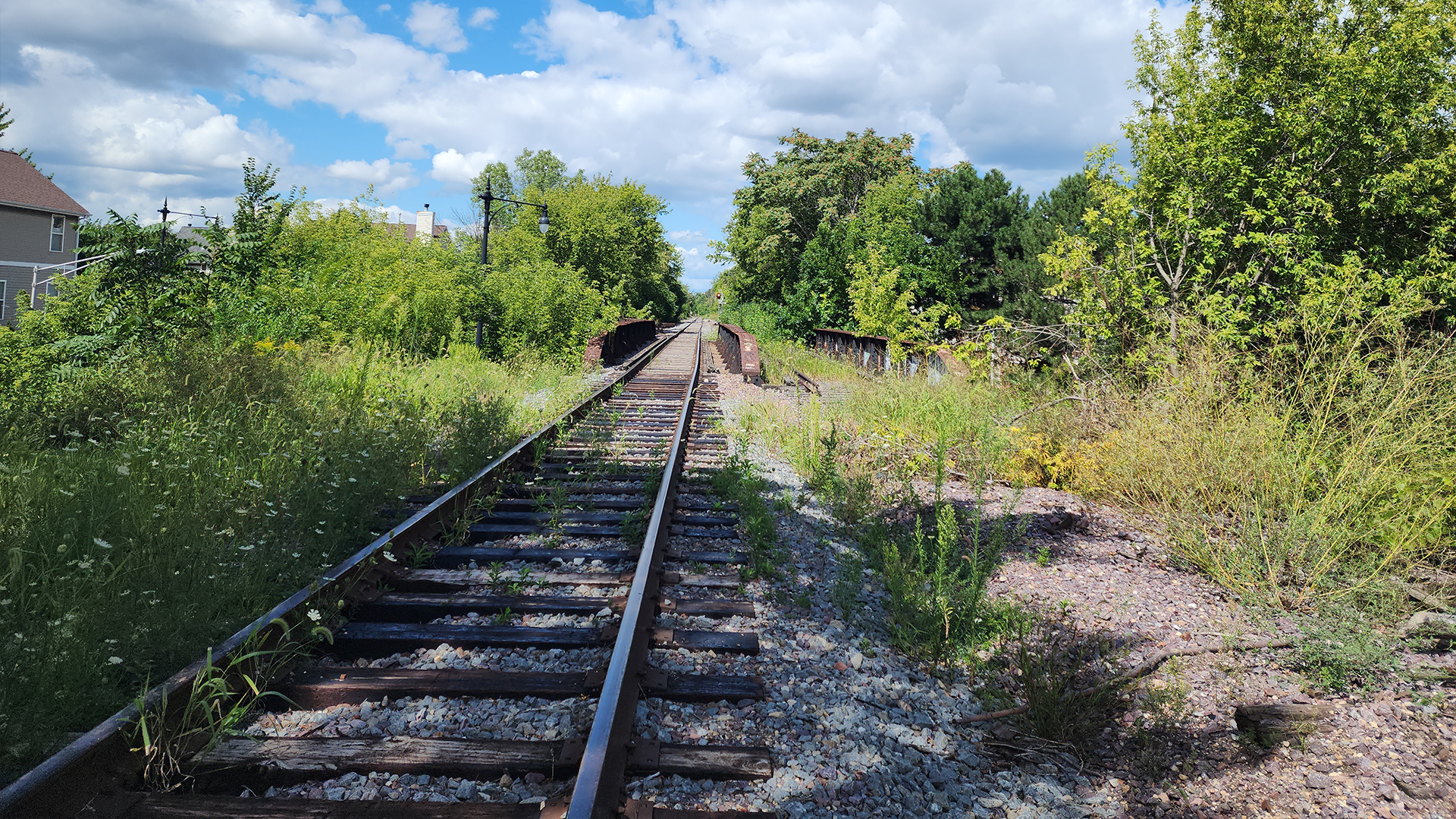
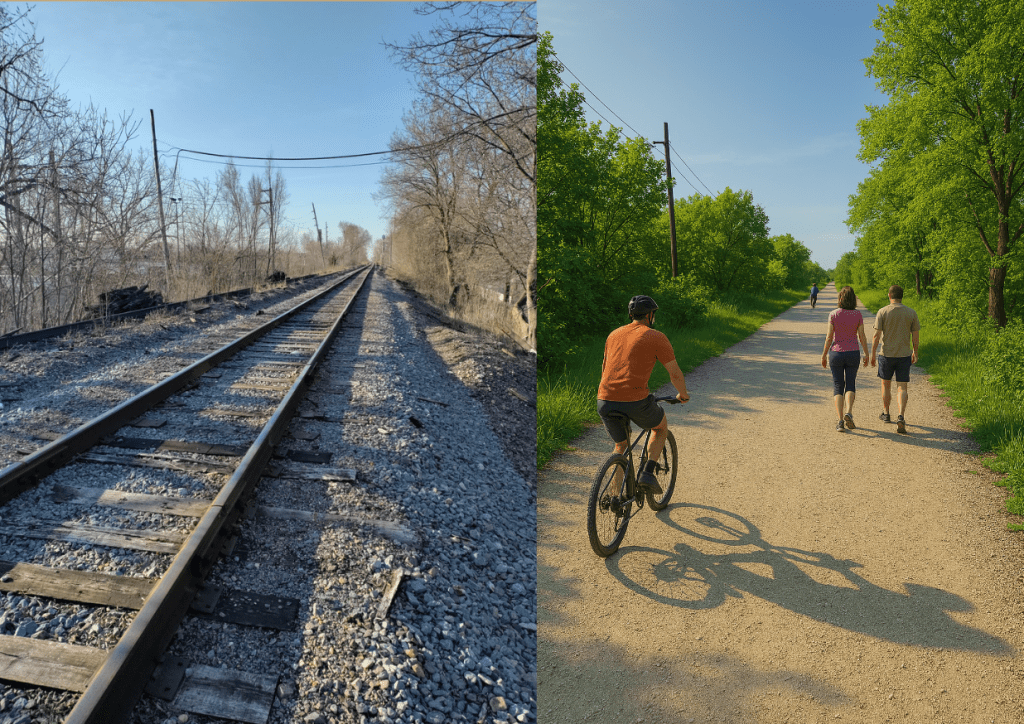
Chicago’s Northwest side has a underused rail corridor with the potential to become a vibrant, multi-use path for walking, biking, and community connection: The Crosstown Trail.
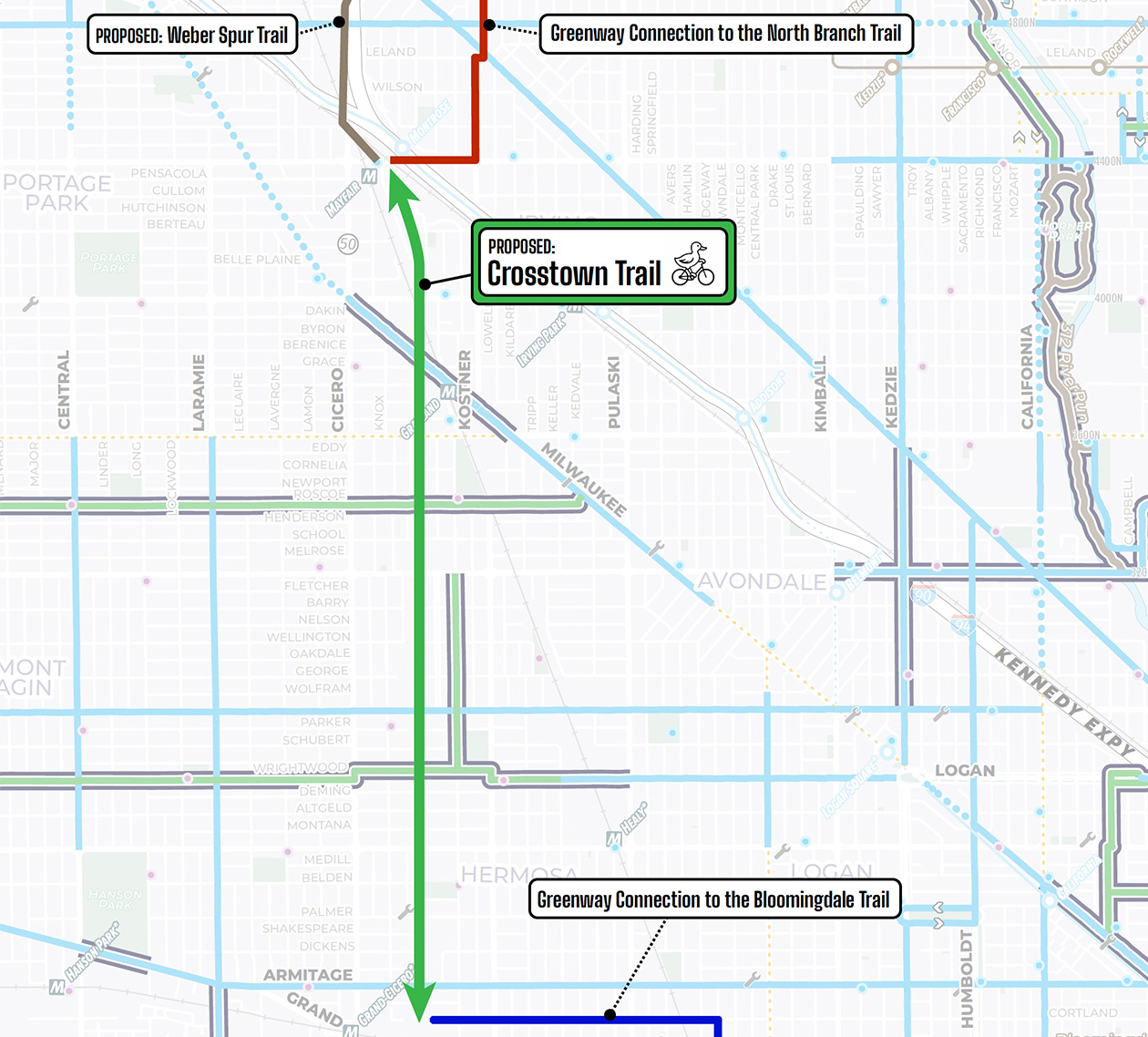
Stretching from Cortland to Montrose, just east of Cicero, the proposed trail could connect on the north end to the North Branch and Weber Spur trails, and on the south end—with a short road connection—to the western end of the Bloomingdale Trail, the heart of the 606. In total, the trail would create 40 acres of new green space (about the size of 20 soccer fields) for neighbors across the city. Check out the map.
This is a community-inspired and led effort, powered by residents who want safer streets, more green space, and stronger neighborhood connections.
Why the Crosstown Trail Matters
Safe, Car-Free Routes
Walk, run, or bike through connected neighborhoods.
New Green Space
Turn a neglected rail line into a public oasis.
Community Connection
Strengthen ties between neighborhoods.
Sustainable Transportation
Support low-carbon commuting options.
Proposed Trail Map
The proposed trail would run from Cortland to Montrose, just east of Cicero, with potential connections to the North Branch, future Weber Spur, and the western end of the Bloomingdale Trail—the heart of the 606—with a short road connection.
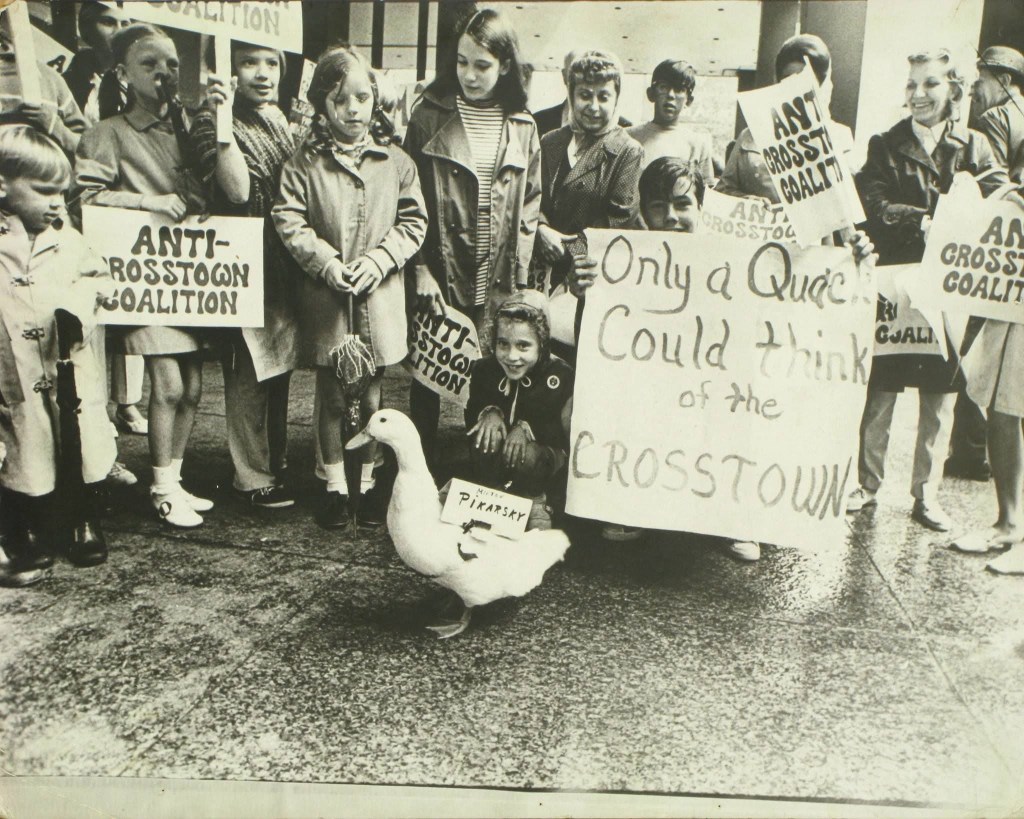
What’s with the duck?
Back in the 1970s, Chicago planned the Crosstown Expressway—and neighborhoods pushed back hard. One 1972 protest even featured a resident’s pet duck, calling out an official for “ducking” questions. The duck made headlines, proving what organizers already knew: kids + animals = attention.
We kept the duck as our mascot because it captures the spirit of this effort: smart, neighbor-led, and impossible to ignore.
photo credit: Sammy Jo Carrington
“Cities have the capability of providing something for everybody, only because, and only when, they are created by everybody.”
Jane Jacobs
The Death and Life of Great American Cities
Trail Notes
-
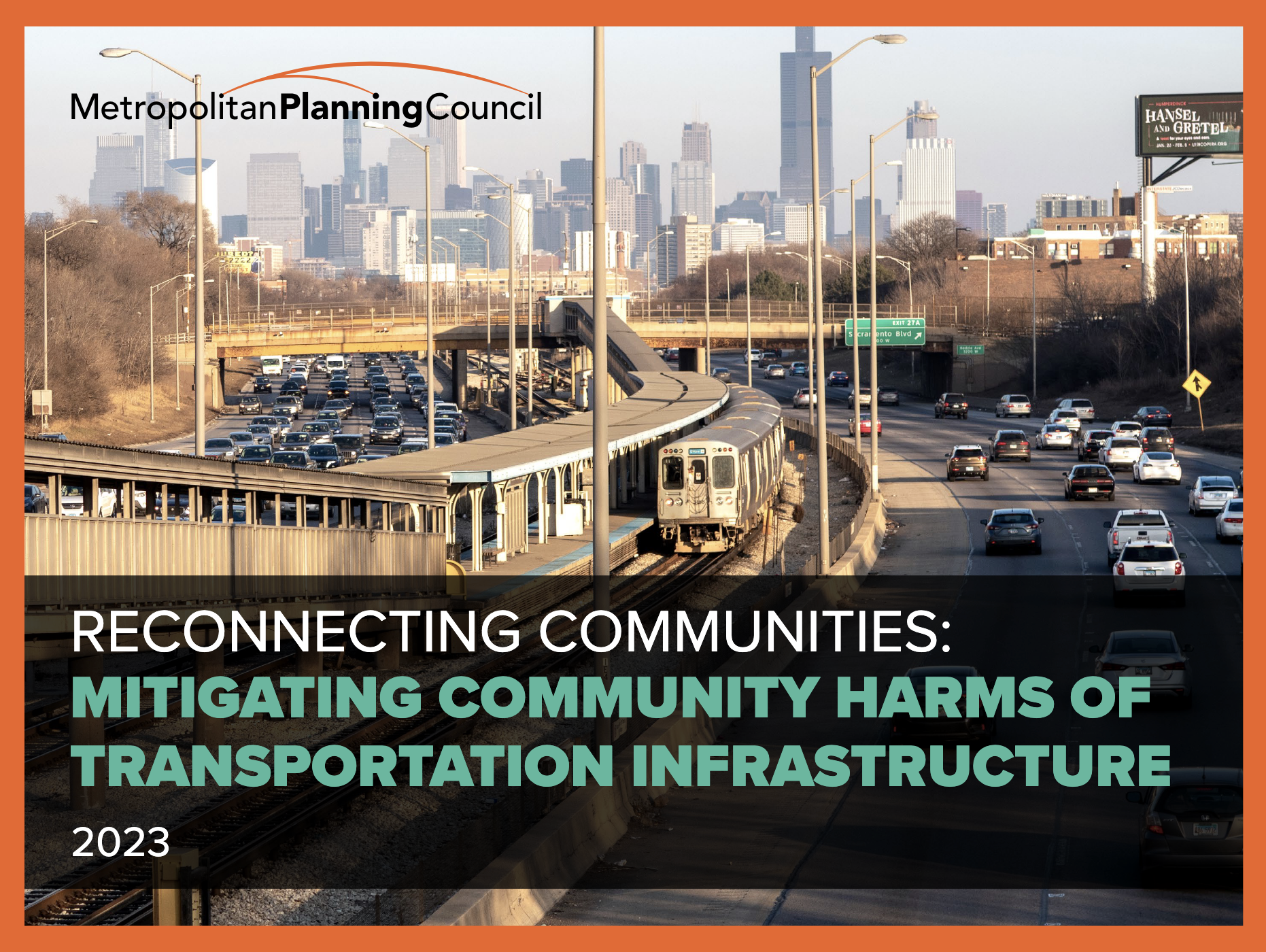
Metropolitan Planning Council: Reconnecting Communities
-
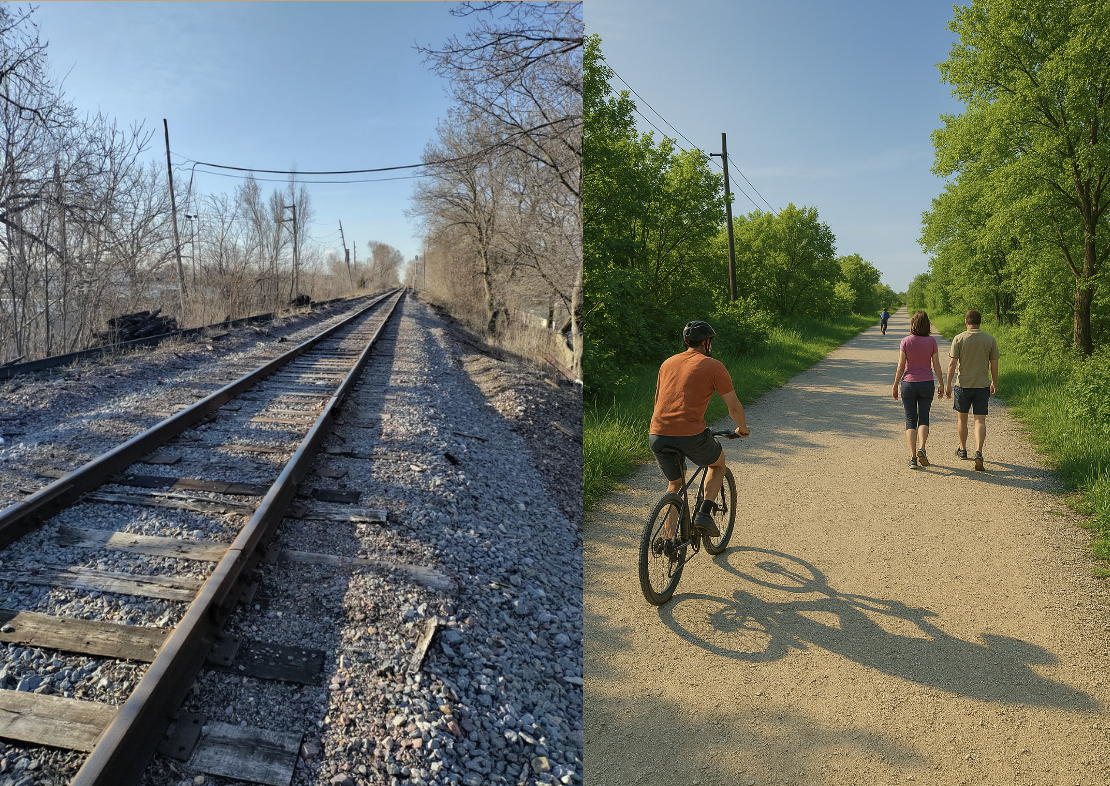
A climate-positive approach
There are a lot of ways biking and walking are good for you and the environment. However, we can go even further than that and take a climate-positive approach to the construction of the trail itself. Concrete production is responsible for 8% of global CO2 emissions. Like the first rail-to-trails conversions, we are targeting a crushed limestone solution. Limestone, when “weathered” by rain, actually removes CO2 from the atmosphere and locks it away.

